

2 min read
From a Moving-Ground Signal to a Structural Answer: The Connection PRG Provides
Paulin Research Group
Sep 16, 2026, 12:02:06 PM
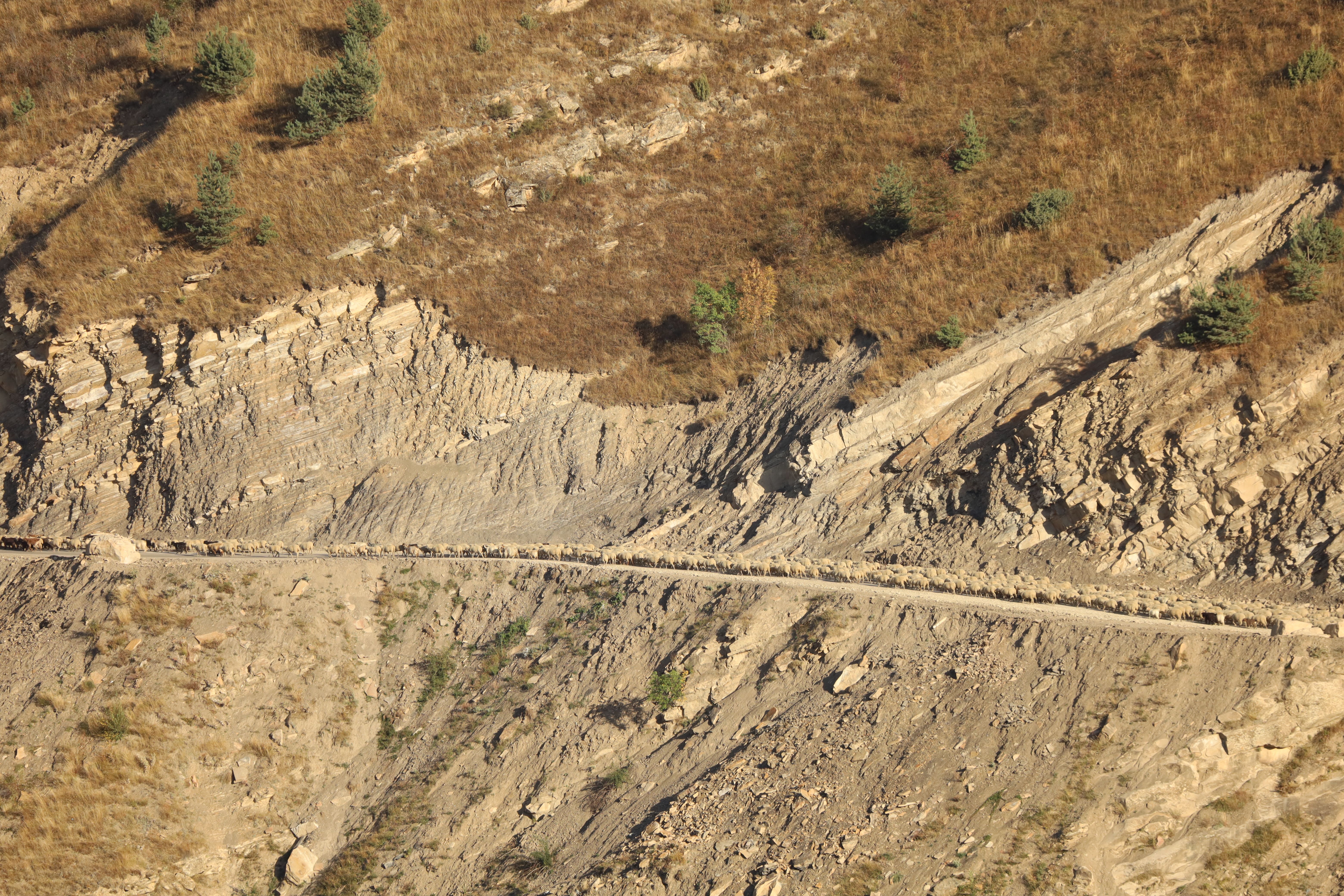
A monitoring layer can tell you the ground near an asset is changing. That observation, on its own, is not a pipe stress result, a tank shell stress result, a nozzle load, or a fitness-for-service conclusion. Getting from one to the other takes engineering analysis and information the satellite does not hold. This is the connection at the center of a recent PRG and Rezatec webinar, and it is where PRG's structural analysis does its work. Here is how the pieces fit together for a buried pipeline or a storage tank.
Screen, Confirm, Analyze, Act
The workflow runs in a deliberate order, and the middle steps are the ones teams tend to skip. Wide-area satellite InSAR screening narrows a large asset population down to the places where the external environment appears to be changing. Field methods then confirm whether the asset is actually engaged by that movement. Structural analysis evaluates the consequence and supports the integrity decision.
These are different functions answering different questions, and none of them replaces another. As the webinar put it, satellite screening does not replace inspection, field confirmation, or engineering judgment. The value of the combined approach comes from connecting those evidence layers in the right order.
Where PRG Picks Up: Confirmed Movement Becomes a Load Case
Once movement is confirmed, the question changes. You are no longer asking whether the ground is moving. You are asking what mechanical demand that movement can impose on the asset.
For a buried pipeline, that requires two inputs that are developed independently. The first is movement, meaning the confirmed and bounded displacement profile built from the satellite observation together with field or geotechnical confirmation. The second is restraint, meaning the pipe-soil interaction, which depends on pipe geometry, burial conditions, soil properties, and the direction of loading. These are separate model inputs. Surface displacement does not mathematically become soil-spring stiffness, and surface movement does not translate linearly into pipeline strain. The model needs both.
With those inputs established, the PRG analysis evaluates the structural response. Depending on the level of analysis, that can include system-level displacement and load paths, stress and strain demand, buckling, nozzle loads, and fitness-for-service acceptability. The satellite output is part of the evidence used to construct the displacement case. The structural response is an output of the engineering model, and that result is what supports the integrity decision.
Tanks, Nozzles, and Connected Piping
The tank case follows the same principle with different geometry. Three tanks can settle by the same total amount and present very different engineering problems, which is why the settlement pattern matters and not only the magnitude. Separating rigid-body tilt from the non-uniform component that drives local distortion is a key engineering step before the confirmed profile goes into analysis.
The relative displacement is often the important quantity. If a tank, nozzle, and connected piping move together, the added demand may be limited. A much smaller differential movement between a tank and a relatively stiff piping connection can produce a more significant local load. PRG tools divide along the question being asked. FEPipe addresses tank settlement and low tank nozzle analysis, NozzlePRO handles local nozzle and attachment FEA, and PCLGold with FEATools addresses the connected piping system and its load path through supports and branch connections. For teams working toward a single view of the plant, Konnect is the architecture PRG uses to bring vessels, piping, and connected components into one model where these interactions can be assessed together.
The Takeaway
The combined workflow improves prioritization and situational awareness. It is worth being clear on the boundaries as well. The satellite layer is repeat screening rather than continuous monitoring, its rankings are relative rather than probabilities of failure, and structural consequences are determined only after movement is confirmed and translated into an engineering case. Within those boundaries, the sequence is straightforward: monitor the ground, confirm the asset condition, model the structural consequence, then decide whether to monitor, inspect, mitigate, or repair.
Watch the full PRG and Rezatec webinar here to see the complete screen-confirm-analyze-act workflow walked through on real pipeline and tank examples.